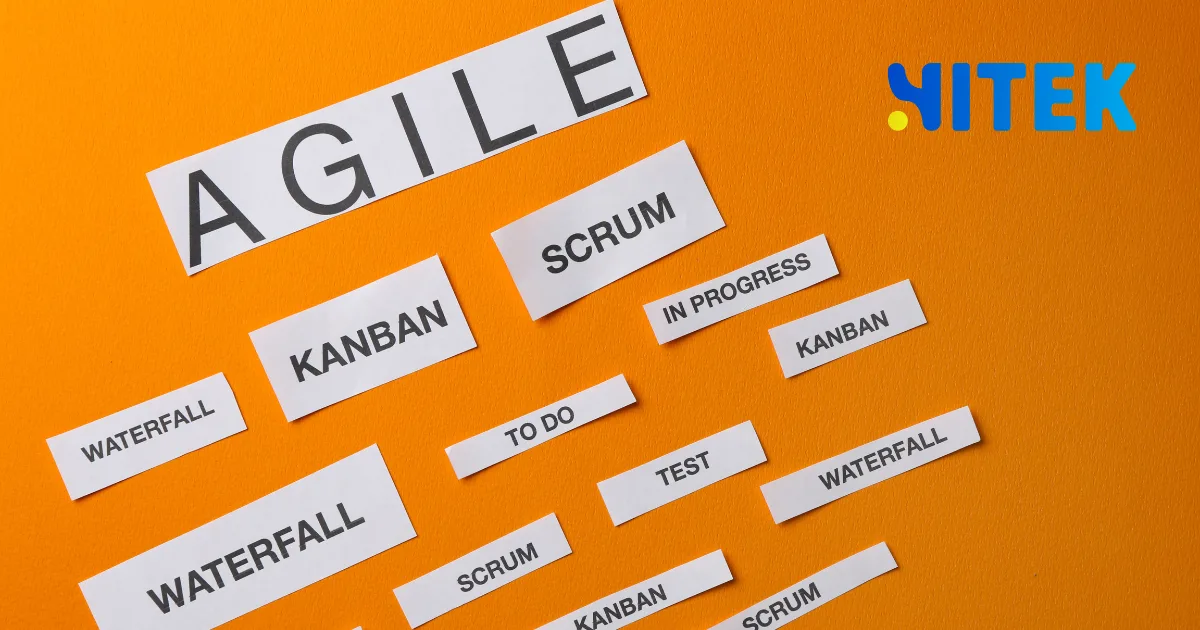
Agile and Scrum dominate the conversation regarding project management methodologies, especially in Australia’s fast-moving tech and business sectors. But what’s the real difference between them? And more importantly, which one should your team adopt?
This guide breaks down Agile and Scrum, comparing their strengths, weaknesses, and best use cases—so you can make an informed decision for your projects.
Understanding Agile: The Flexible Mindset
Agile isn’t a single methodology but a philosophy centred around flexibility, collaboration, and iterative progress. Born from the Agile Manifesto in 2001, it prioritises:
- Individuals and interactions over processes and tools
- Working software over comprehensive documentation
- Customer collaboration over contract negotiation
- Responding to change over following a plan
Agile is ideal for teams that need to adapt quickly, whether in software development, marketing, or product management. It’s particularly popular in Australia’s startup scene, where rapid pivots are common.
Pros of Agile
✔ Adaptable to changing requirements
✔ Encourages continuous feedback
✔ Reduces wasted effort with iterative cycles
Cons of Agile
✖ Can lack structure without a defined framework
✖ Requires strong team collaboration
✖ May struggle in highly regulated industries
Scrum: Agile’s Most Popular Framework
While Agile is the overarching mindset, Scrum is a structured framework that implements Agile principles. It’s especially popular in Australian IT and software development due to its clear roles, time-boxed sprints, and measurable outcomes.
Key Scrum Components
- Sprints: Short work cycles (usually 2-4 weeks)
- Roles: Product Owner, Scrum Master, Development Team
- Ceremonies: Daily Stand-ups, Sprint Planning, Retrospectives
- Artifacts: Product Backlog, Sprint Backlog, Increment
Scrum’s structured approach makes it easier to track progress, making it a favourite for larger teams and complex projects, like those in Sydney’s fintech hubs or Melbourne’s digital agencies.
Pros of Scrum
✔ Clear deadlines with sprint-based delivery
✔ Defined roles improve accountability
✔ Regular reviews ensure continuous improvement
Cons of Scrum
✖ The rigid structure can be limiting
✖ Requires experienced Scrum Masters
✖ Not ideal for small, fast-moving projects
Agile vs Scrum: Which One Should Australian Teams Choose?
| Feature | Agile (Mindset) | Scrum (Framework) |
|---|---|---|
| Flexibility | High | Moderate (structured) |
| Best For | Startups, dynamic projects | Software teams, complex tasks |
| Roles | Fluid, team-driven | Defined (Scrum Master, Product Owner) |
| Delivery | Continuous iterations | Fixed-length sprints |
| Popularity in AU | Common in marketing & innovation | Dominates IT & product dev |
When to Use Agile
✅ Your project needs frequent adjustments (e.g., digital marketing campaigns)
✅ Your team thrives on autonomy and creativity
✅ You’re in an experimental phase (e.g., MVP development)
When to Use Scrum
✅ You need strict deadlines (e.g., software releases)
✅ Your team benefits from clear roles and rituals
✅ You’re handling large-scale projects with multiple stakeholders
Hybrid Approaches: The Australian Way
Many Australian companies don’t strictly follow Agile or Scrum—they blend both. For example:
- A Melbourne SaaS startup might use Agile for brainstorming but switch to Scrum for development.
- A Brisbane digital agency could adopt Scrum for client projects but stay Agile for internal processes.
This hybrid approach offers flexibility while maintaining structure, perfect for businesses that need speed and scalability.
Final Verdict: Agile or Scrum?
There’s no one-size-fits-all answer. If your team values adaptability, Agile might be the way to go. If you need structure and predictability, Scrum could be better.
For Australian businesses, the key is to assess:
- Your project’s complexity
- Team size and experience
- Industry requirements (e.g., compliance in finance vs. creativity in design)
Want to dive deeper? Check out Scrum Alliance for certifications or Agile Australia for local insights.
Which Framework Fits Your Team?
Still unsure? Try a test sprint with Scrum or a flexible Agile trial to see what works. The best methodology helps your team deliver faster, smarter, and with fewer headaches.
Got experience with Agile or Scrum in Australia? Share your thoughts in the comments!